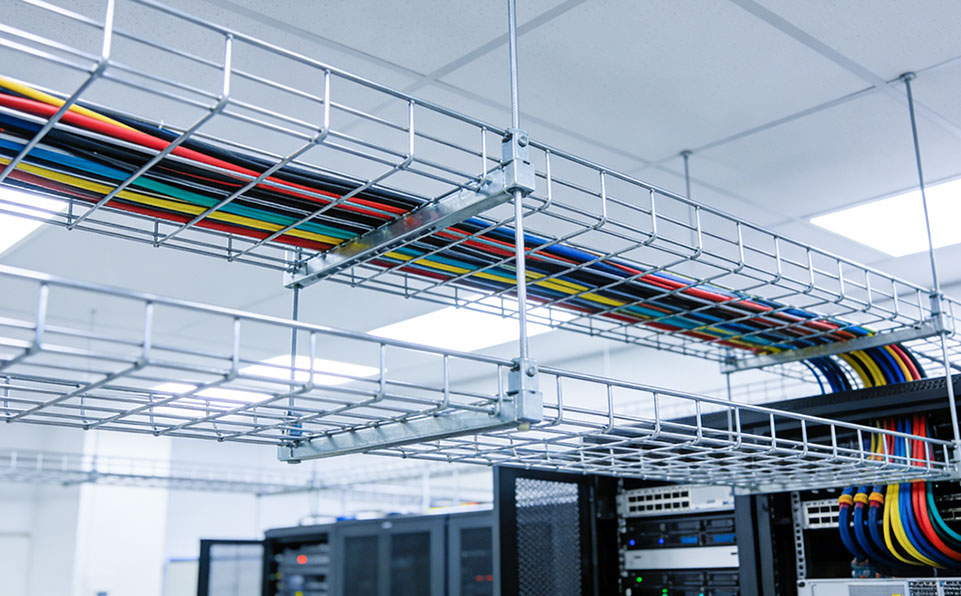
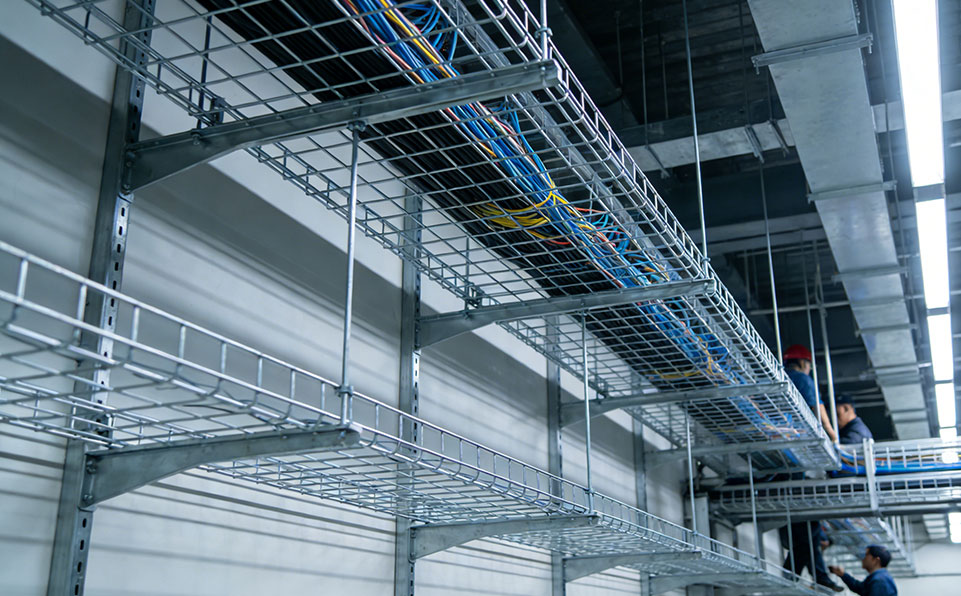
Wiring density in communication cabinets continues to rise, and cable routing varies from customer to customer. Cable trays with fixed hole positions cannot adapt to all scenarios; drilling holes on s...
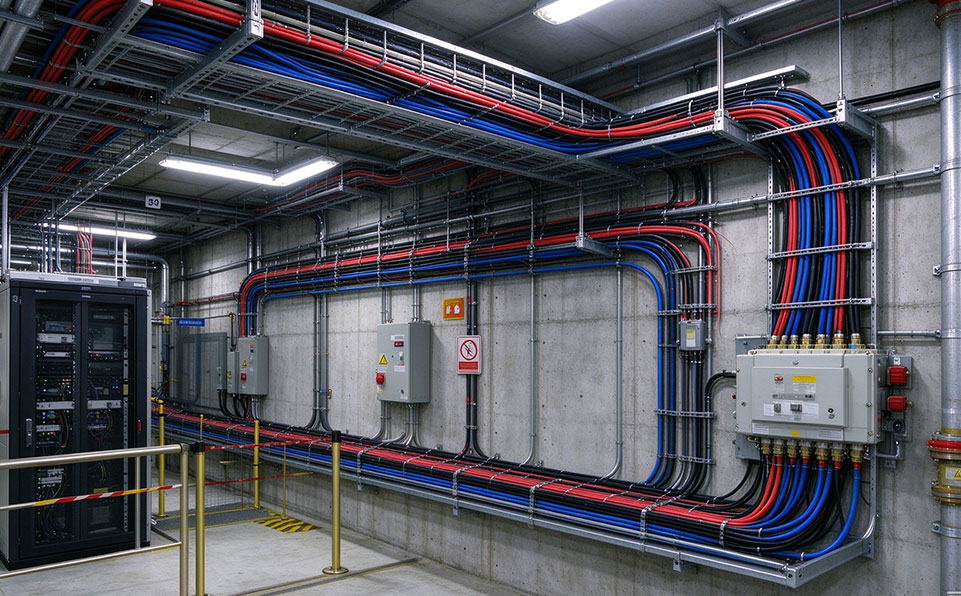
In nuclear power projects, cable trays and C-shaped steel channels are mainly used for cable routing passages and equipment fixing and installation within the nuclear island and conventional island. T...
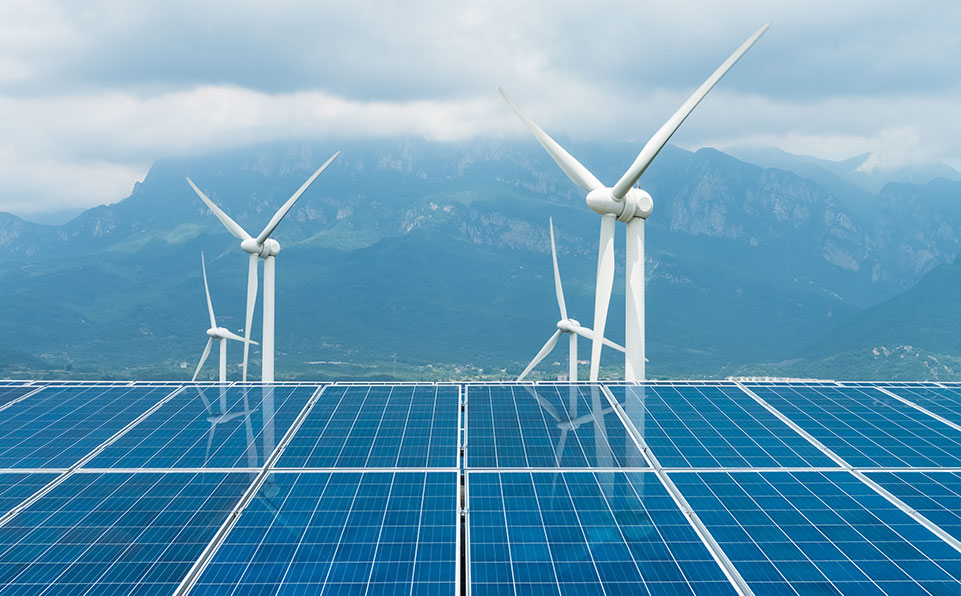
Cable tray systems in power plants, substations, and renewable energy stations must handle the high load-bearing requirements of large-cross-section power cables, the strict load parameters set by des...
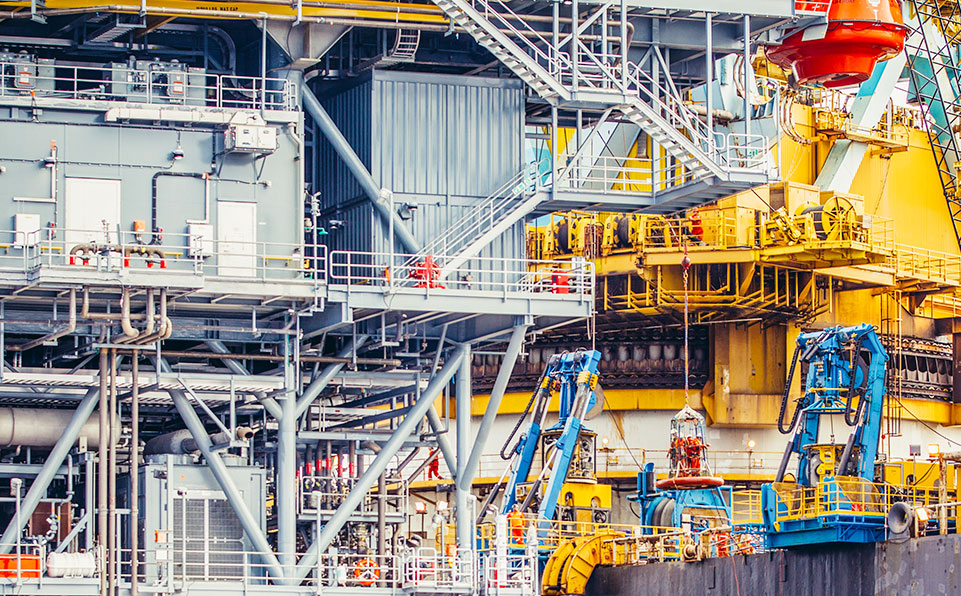
Environments in steel, metallurgy, petrochemical, and heavy industry workshops are characterized by combined corrosive media, continuous vibration, and high-temperature dust. Under such operating cond...
Subway, high-speed rail, and port projects have mandatory acceptance standards for cable tray fire rating, vibration resistance and anti-loosening performance, and completeness of completion documenta...
In super high-rise strong-current vertical shafts, space is tight and cable trays are densely arranged alongside busways, so any dimensional deviation upon arrival means rework across multiple discipl...
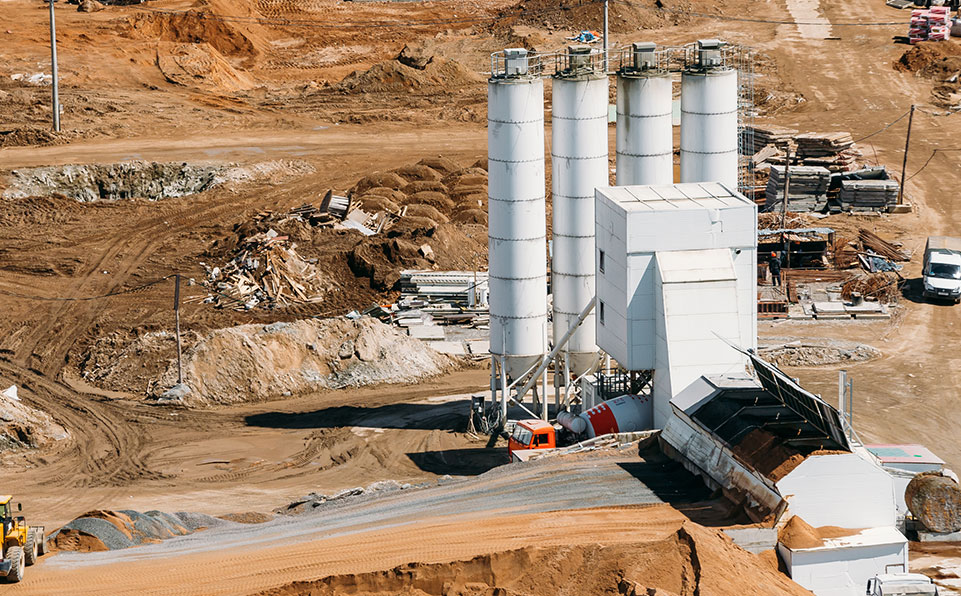
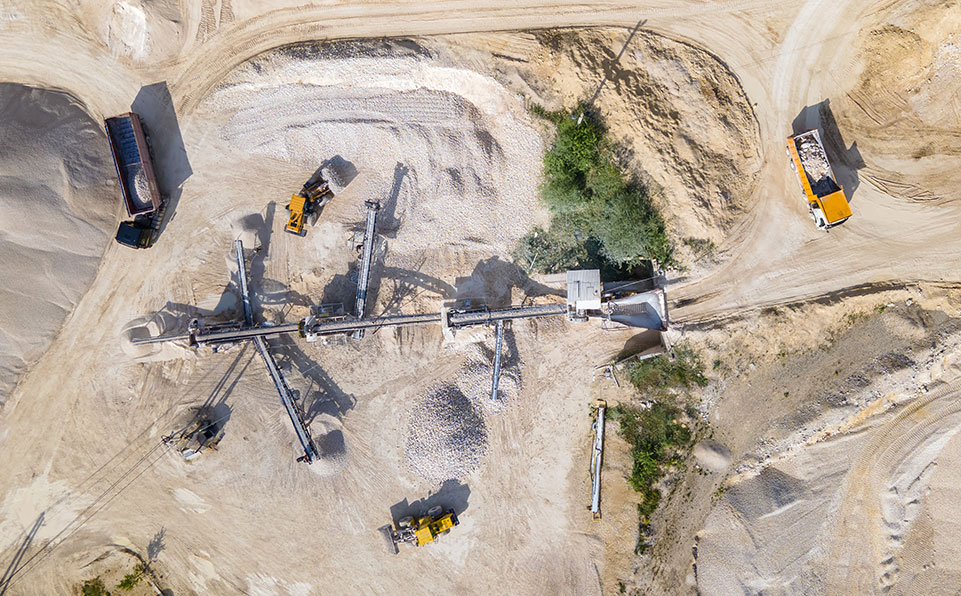
Underground mines and cement plants are characterized by high dust, high humidity, and localized impact. Transport in tunnels is restricted, so supplies must be synchronized with excavation progress. ...

 English